
Multigrain Atta vs Wheat Atta for Diabetes: What’s the Difference?multigrain atta vs wheat attaatta for diabetes, whole wheat vs multigrain, high fiber flour.
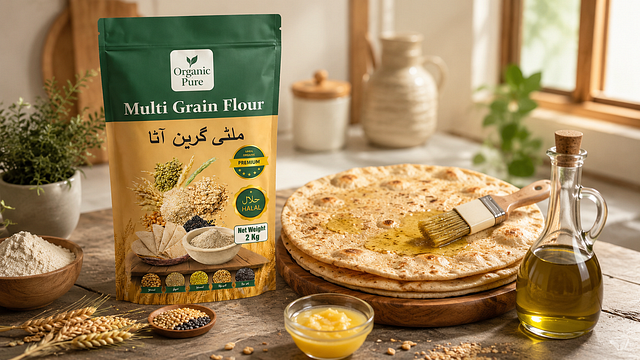
For generations, the heartbeat of the Pakistani kitchen has been the rhythmic sound of dough being kneaded and the warm, comforting aroma of freshly baked roti sizzling on a hot tawa. Bread is not just a side dish; it is the fundamental vehicle through which we experience our rich karahis, slow-cooked niharis, and vibrant vegetable sabzis. However, when you or a loved one receives a diabetes or prediabetes diagnosis, this cherished cultural staple suddenly becomes a source of intense fear. The immediate, heartbreaking advice given by well-meaning friends and generic health forums is that you must completely abandon your beloved roti if you want to survive.
But what if this advice is missing a crucial piece of the biological puzzle? What if the problem is not the roti itself, but the heavily processed, structurally stripped flour we are using to make it? As diabetes rates skyrocket across the country, a massive debate has ignited in the wellness community: multigrain atta vs wheat atta. For years, we were told that simply switching from white maida to standard “whole wheat” was the ultimate health solution. But modern nutritional science reveals a different reality. Standard commercial whole wheat, while better than refined white flour, still acts rapidly in the bloodstream.
If you are struggling with afternoon energy crashes, stubborn weight gain, and erratic blood sugar readings, understanding the profound biological differences between whole wheat vs multigrain is the key to reclaiming your health. You do not have to give up your culinary heritage to heal your metabolism. By discovering the ultimate atta for diabetes and upgrading your pantry to a genuinely formulated, high fiber flour, you can biologically transform how your body digests your meals. It is time to dive deep into the science of complex carbohydrates and discover how the pristine, unadulterated blends from Organic and Pure can naturally command your insulin levels, allowing you to enjoy your traditional meals with absolute peace of mind.
Product Benefits: Decoding the Science of Multigrain Atta vs Wheat Atta
To definitively settle the debate of multigrain atta vs wheat atta, we must look closely at the Glycemic Index (GI) and the mechanical process of human digestion. The GI is a scientific measurement that ranks carbohydrates on a scale from 0 to 100 based on how quickly they raise blood sugar. Pure glucose ranks at 100.
While refined white flour (maida) has a dangerously high GI of around 85, standard commercial whole wheat still hovers around a GI of 70. This means that consuming three or four plain whole wheat rotis will still cause a significant, rapid blood sugar spike. For a diabetic patient, this triggers a massive insulin surge that leads to metabolic exhaustion and visceral fat storage.
The biological antidote to this rapid digestion is a massive increase in diverse dietary fiber. This is exactly where the structurally dense products from the Organic and Pure wellness collection become life-saving dietary tools.
When you analyze whole wheat vs multigrain, the superiority of a genuine multigrain blend becomes mathematically obvious. By replacing standard commercial wheat with Organic and Pure Multigrain Flour, you drastically lower the glycemic impact of your meal. A true multigrain blend does not rely on wheat alone; it integrates low-GI functional grains and legumes such as barley (jau), roasted chickpeas (chana), oats, and millets like jowar and ragi. Barley, for example, boasts an incredibly low GI of roughly 28 to 37 and contains massive amounts of beta-glucan — a highly specific soluble fiber.
Inside your digestive tract, this soluble high fiber flour dissolves in water to form a thick, viscous gel. This biological gel physically coats the lining of your stomach and small intestine, trapping the carbohydrates and severely blunting the rate at which digestive enzymes can break them down. A high-quality multigrain blend pulls the overall GI down from wheat’s 70 to a much safer 55–60. Because your body is forced to work significantly harder and longer to digest this atta for diabetes, glucose is released into your bloodstream in a slow, highly controlled, and continuous drip.
You can actively supercharge this metabolic shield by integrating powerful seeds directly into your dough. Kneading Organic and Pure Chia Seeds and Flax Seed (Alsi) into your multigrain flour introduces a massive payload of plant-based Omega-3 fatty acids and additional mucilaginous fiber, transforming an everyday flatbread into an advanced, therapeutic intervention.
Product Sourcing: Why Chemical-Free Purity is Non-Negotiable for Diabetics
The metabolic effectiveness and healing power of transitioning to a low-GI atta for diabetes rely entirely and absolutely on the pristine purity of the grains you choose to consume. A diabetic body is already existing in a state of high oxidative stress and chronic inflammation; the liver and kidneys are constantly working overtime to clear excess glucose and metabolic waste from the blood.
The modern commercial agricultural industry relies heavily on an alarming array of synthetic pesticides, harsh chemical fertilizers, and artificial preservatives to maximize crop yields. Furthermore, many commercial “multigrain” flours are essentially deceptive marketing — they are often 80% refined white flour mixed with a tiny token percentage of colored seeds just to secure the label. When you attempt to manage your blood sugar using these conventionally farmed, chemically treated “diet” flours, you are inevitably ingesting trace amounts of dangerous agricultural toxins.
Inside your highly sensitive body, these synthetic compounds act as severe endocrine disruptors. They actively confuse your delicate metabolic hormones, trigger systemic, low-grade inflammation, and severely damage the gut microbiome. This internal chemical warfare forces your immune system to consume massive amounts of energy just to fight off the perceived toxic threat, directly worsening your insulin resistance and making your blood sugar incredibly difficult to control.
This is exactly why the sourcing methodology at Organic and Pure is completely uncompromising and fiercely dedicated to absolute purity. We operate on the fundamental belief that true metabolic healing, stabilized fasting glucose, and sustainable vitality must begin from clean, unpolluted soil. All of the ancient grains, premium seeds, and functional superfoods utilized in our blends are sourced directly from sustainable farms where synthetic chemicals, harmful pesticides, and artificial interventions are strictly and entirely forbidden.
Our ingredients are meticulously harvested using gentle, traditional methods. They are stone-ground at slow speeds (traditional chakki milling) to prevent heat from destroying their naturally occurring vitamins, minerals, and heavy bran. This meticulous care guarantees that when you consume an Organic and Pure product, you are receiving raw, pristine, and entirely biologically active nutrition. Because our Organic and Pure Multigrain Flour remains in its natural, unadulterated state, your liver does not have to waste precious energy filtering out hidden neurotoxins. Instead, your body can effortlessly convert this high fiber flour into sustained, healthy energy, perfectly supporting your diabetic management goals.
Top 3 Recipes to Safely Enjoy Your Meals
You do not need to give up your favorite cultural meals or spend hours cooking separate diet food. By simply upgrading your foundational staples with our premium products, you can easily create delicious, insulin-stabilizing rituals.
1. The Ultimate Low-GI Multigrain & Chia Roti
This recipe definitively answers the question of whole wheat vs multigrain by providing the ultimate flatbread to flatten your post-meal blood sugar response. It is dense, deeply satisfying, and highly nutritious.
- Ingredients:
- 2 cups Organic and Pure Multigrain Flour
- 1 tablespoon Organic and Pure Chia Seeds (ground into a fine powder)
- 1 tablespoon Flax Seed (Alsi) (finely ground)
- Warm water for kneading
- A tiny pinch of pink Himalayan salt
- Instructions:
- In a large, clean mixing bowl, thoroughly whisk the dry multigrain flour, the ground chia seeds, the flax seeds, and the salt together. Gradually add the warm water, kneading continuously until you form a firm, highly pliable dough. The complex bran in the multigrain blend and the heavy mucilage from the seeds require resting time to hydrate properly. Cover the dough with a damp cloth and let it rest for at least 25 minutes. Roll the dough into portion-controlled flatbreads and cook on a dry cast-iron skillet. The expanding chia and flax fibers act as a physical net in your stomach, catching the complex carbohydrates and forcing them to digest incredibly slowly.
2. The Sattu & Kalonji Pre-Meal Glucose Shield
When you are about to eat a slightly heavier meal, this traditional cooling drink acts as a biological shield against aggressive glucose spikes.
- Ingredients:
- 2 tablespoons Organic and Pure Sattu Powder
- 1/4 teaspoon Black Seed / Kalonji (finely crushed)
- 1 large glass of chilled water
- A pinch of black salt and roasted cumin
- Instructions:
- Vigorously whisk the Sattu Powder into the chilled water until all lumps are completely dissolved. Stir in the crushed Kalonji, black salt, and roasted cumin. Drink this exactly 20 minutes before your meal. Sattu is an incredible, low-glycemic roasted chickpea and barley flour that coats the stomach lining, while Kalonji delivers concentrated Thymoquinone, an antioxidant that actively combats insulin resistance. This drink blunts the glycemic impact of the meal that follows.
3. The Quinoa Roti-Replacement Salad Bowl
For days when you want to completely eliminate bread but still crave the heavy, satisfying mouthfeel of complex carbohydrates, this complete-protein bowl is the ultimate metabolic intervention.
- Ingredients:
- 1/2 cup cooked Premium White Quinoa
- Grilled chicken breast slices or boiled chickpeas
- Fresh spinach, diced cucumbers, and cherry tomatoes
- 1 tablespoon olive oil and fresh lemon juice
- Instructions:
- Create a dense, nutrient-packed bowl by tossing the fluffy, pre-cooked quinoa with your chosen protein source and fresh greens. Dress the salad lightly with high-quality olive oil and lemon juice. Quinoa is a pseudo-cereal containing all nine essential amino acids. The combination of dense fiber and complete amino acids takes hours to digest, forcing your body to utilize stored body fat for energy rather than relying on rapid glucose spikes.
Top 5 Health-Related Benefits and Related Recipes
Transitioning your daily habits to prioritize an unadulterated high fiber flour over standard commercial wheat provides targeted biological transformations that directly reverse the symptoms of metabolic dysfunction.
1. Blunting Post-Meal (Postprandial) Spikes
The most dangerous time for blood sugar control is the two hours immediately following a meal, where sugar levels can surge to toxic heights, damaging delicate blood vessels.
Related Recipe: The Pre-Meal Chia Hydration Elixir.
Mix 1.5 tablespoons of Organic and Pure Chia Seeds in a large glass of water with fresh lemon. Drink this exactly 20 minutes before consuming your multigrain roti. The chia gel physically coats the lining of your stomach, creating a massive biological barrier that slows down the absorption of the upcoming meal, effectively “blunting” the post-meal glucose spike entirely.

2. Management of Visceral Belly Fat
High-GI commercial flours trigger massive insulin releases. Insulin is the primary hormone that commands your body to store dangerous visceral fat around your organs.
Related Recipe: The High-Satiety Quinoa Salad.
Replace heavy, refined rice or commercial pasta with a massive salad anchored by Premium White Quinoa. The massive fiber volume physically turns off your hunger hormones, keeping your insulin low. When insulin is kept low, your body is biologically forced to burn stored visceral fat for energy, directly improving your waistline and insulin sensitivity.
3. Reduction of Systemic Neuro-Inflammation
Chronically high blood sugar causes severe oxidative stress and inflammation, leading to diabetic neuropathy (nerve damage) and severe mental fatigue.
Related Recipe: The Anti-Inflammatory Walnut Snack.
Keep a jar of raw Walnut Kernel on your kitchen counter. Walnuts provide massive amounts of plant-based Omega-3 fatty acids and protein. Eating a small handful stabilizes your blood sugar instantly and actively soothes internal cellular fires, aggressively reducing the systemic inflammation associated with diabetes and protecting your delicate nerve endings.
4. Lowering Cortisol & Stress-Induced Spikes
Managing a chronic illness is immensely stressful. When you are stressed, your body releases cortisol, a hormone that actively tells your liver to dump more sugar into the blood, completely ruining your glucose control.
Related Recipe: The Ashwagandha Night Milk.
To protect your blood sugar from emotional stress, whisk 1/4 teaspoon of Ashwagandha into warm, unsweetened almond milk an hour before bed. Ashwagandha is a profound adaptogen that actively lowers serum cortisol levels, transitioning your frayed nervous system into a calm state, which directly translates to significantly better blood sugar control and lower fasting glucose the following morning.
5. Improved Fasting Blood Sugar
Waking up with high fasting blood sugar is a sign that your liver is dumping glucose into your bloodstream overnight due to high evening insulin resistance. Consuming low-GI meals at dinner prevents this.
Related Recipe: The Evening Barley Porridge.
Instead of a heavy evening rice dish, opt for a light, savory bowl of Barley Porridge. Barley contains massive amounts of beta-glucan soluble fiber, which actively improves insulin sensitivity and digests incredibly slowly overnight, ensuring your liver glycogen remains stable and leading directly to significantly lower fasting blood sugar readings the next morning.

Related Products
Build a kitchen environment where stable blood sugar, effortless weight management, and absolute metabolic health are the automatic default by aggressively equipping your pantry with these premium, chemical-free staples directly from our store:
- Multigrain Flour
- Chia Seeds
- Flax Seed (Alsi)
- Sattu Powder
- Black Seed / Kalonji
- Walnut Kernel
- Barley Porridge
- Ashwagandha
Top 5 Google Search FAQs on Multigrain vs Wheat Atta for Diabetes
1. Multigrain atta vs wheat atta: which is ultimately better for diabetes?
When comparing multigrain atta vs wheat atta, a genuinely formulated multigrain blend is vastly superior for diabetes. Standard whole wheat flour possesses a medium-to-high Glycemic Index (~70) and can spike blood sugar rapidly. A true atta for diabetes integrates low-glycemic grains like barley, oats, and chickpeas, which drastically increases the fiber content and pulls the overall GI down to a much safer 55–60. This results in a significantly slower, safer release of glucose into the bloodstream.
2. How many multigrain rotis can a diabetic eat in one meal?
Even when utilizing the best high fiber flour, severe portion control remains a biological necessity. Carbohydrates eventually break down into sugar. The clinically recommended serving size is generally 1 to 2 small-to-medium sized rotis (approx 60 grams total atta) per meal. The absolute key is to never eat the bread in isolation; always pair it with a massive portion of raw, fibrous salad and a highly robust source of lean protein (like chicken or daal) to further slow down the glucose absorption rate.
3. Does adding commercial multigrain atta guarantee my blood sugar won’t spike?
No, it absolutely does not. The term “multigrain” is often used as deceptive marketing. Many commercially available packaged flours contain up to 80–90% refined white wheat, with only a token 5–10% of other grains added to secure the label. Consuming these fake blends will cause your blood sugar to spike just as fast as eating pure maida. You must prioritize genuinely formulated, stone-ground blends like those from Organic and Pure.
4. How does adding seeds to my atta help my blood sugar?
Adding seeds to your dough is one of the most powerful dietary hacks available. Kneading finely ground Flax Seed (Alsi) or Chia Seeds directly into your multigrain atta introduces massive amounts of mucilaginous, soluble fiber and essential Omega-3 fatty acids. This creates a biological net in your stomach that traps the carbohydrates, forcing them to digest incredibly slowly and providing immense satiety.
5. Is Barley (Jau) better than Wheat for diabetes?
Yes, significantly. Barley has a much lower Glycemic Index (roughly 28–37) compared to standard wheat. Furthermore, barley contains extraordinarily high amounts of beta-glucan, a highly specific soluble fiber that has been clinically proven to slow gastric emptying, improve insulin sensitivity, and actively sweep bad cholesterol out of the body. A quality multigrain blend will always feature barley or oats heavily.
FAQS
Will eating multigrain roti make my stomach feel heavy or bloated?
- If your digestive tract has been conditioned to a highly refined diet that lacks fiber entirely, introducing a massive dose of complex fiber suddenly can cause temporary mild gas as your gut microbiome scrambles to adjust. To prevent this, ensure you are drinking plenty of water (which soluble fiber requires to move smoothly) and chew your food thoroughly. Over time, this fiber will actually cure chronic bloating and constipation.
Can I still eat white rice if I have diabetes?
- Commercial polished white rice is entirely stripped of its fiber and acts identically to pure table sugar in your bloodstream, making it highly dangerous for diabetics. It is strongly advised to completely swap white rice for Premium White Quinoa. Quinoa provides the exact same culinary experience and texture as rice but delivers complete protein and complex fiber, causing zero spikes in insulin.
Is it better to eat roti for lunch or dinner?
- From a metabolic standpoint, it is better to consume your complex carbohydrates earlier in the day when you are more physically active. Eating a multigrain roti for lunch allows your body to utilize the energy. For dinner, it is highly recommended to prioritize lighter proteins, salads, or a bowl of Quinoa to ensure your liver glycogen remains stable overnight, leading to better fasting glucose readings in the morning.
Does cooking oil or ghee affect how my body processes the roti?
- Yes. Applying a small amount of healthy, raw fat — such as a tiny brush of real desi ghee or cold-pressed olive oil — actually further slows down the rate at which your stomach empties its contents. This helps to further blunt the glycemic spike. However, you must strictly avoid heavy, hydrogenated commercial cooking oils, which cause severe cellular inflammation and rapidly worsen insulin resistance.

How long does it take to see lower blood sugar readings after switching my flour?
- If you completely eliminate refined white flour and sugary snacks from your diet, transitioning strictly to portion-controlled Multigrain Flour and prioritizing robust proteins, you will typically notice significantly lower and far more stable post-meal (postprandial) glucose readings within the very first 48 to 72 hours. Deep, lasting reductions in fasting glucose and HbA1c take consistent discipline over several months.
Bullet Points for Mastering Diabetic Nutrition
- Ditch the Refined Flours Immediately: The fastest, most mathematically effective way to protect your pancreas is by permanently swapping commercial white flours and standard wheat for the complex, slow-digesting power of Multigrain Flour.
- Anchor Your Carbs: Never eat carbohydrates in isolation. Always aggressively pair your multigrain roti with a massive volume of raw vegetables and robust protein to drastically slow down glucose absorption and prevent violent spikes.
- Supercharge Your Dough: Actively lower the Glycemic Index of your daily bread by kneading finely ground Flax Seed (Alsi) directly into the flour, adding critical fiber and Omega-3s.
- Hydrate to Blunt Spikes: Drink a large glass of fiber-infused Chia water 20 minutes before your meals. The expanding gel creates a biological barrier in your stomach, naturally enforcing portion control and slowing carbohydrate digestion.
- Demand Absolute Purity: Chemical preservatives and pesticides act as endocrine disruptors that directly worsen insulin resistance. Always demand unadulterated, pristine ingredients from Organic and Pure to protect your delicate metabolic ecosystem.
Conclusions
Receiving a diabetes diagnosis does not have to mean a lifetime of culinary deprivation, nor does it mean you must completely abandon the warm, comforting roti that defines our cultural dining tables. The paralyzing fear surrounding carbohydrates stems entirely from the highly refined, chemically altered, and rapidly digesting empty starches that dominate the modern food supply. When you attempt to manage your health by consuming naked white flours or standard commercial wheat, you trap your entire system in a devastating cycle of aggressive insulin surges, rapid glycemic crashes, and deepening metabolic dysfunction.
The true mastery of sustained vitality, stable fasting glucose, and absolute metabolic resilience lies in changing the physiological architecture of the food you consume from the inside out. By consciously adopting daily habits built on targeted, complex whole foods and definitively settling the debate of whole wheat vs multigrain in favor of a genuine, slow-release high fiber flour, you align your lifestyle with your body’s unyielding natural requirements for cellular repair, low-glycemic nutrition, and steady energy. When you aggressively upgrade your pantry with the uncompromising, chemical-free purity of Organic and Pure superfoods, you empower your pancreas, your liver, and your cardiovascular network to function optimally.
Whether you are anchoring your lunch with a deeply satisfying Multigrain and Chia Roti, stabilizing your morning with a Sattu Shield Drink, or actively lowering your evening cortisol with Ashwagandha, you are actively building a robust internal ecosystem where flawless blood sugar control and effortless physical lightness are the automatic default state. Stop fighting your body with empty, destructive commercial calories and start feeding your biology the complex, pristine nourishment it actually requires to heal and thrive. Explore our complete collection of blood-sugar-stabilizing wellness essentials at Organic and Pure today, and finally reclaim your energy, your favorite meals, and your absolute physical confidence for good!