
What Is Glycemic Index? A Simple Guide for Pakistani Foodsglycemic index Pakistan.
If you live in Pakistan, your day is intrinsically tied to the rhythm of traditional meals. Our culinary heritage is a vibrant, deeply comforting tapestry of slow-cooked karahis, rich niharis, and fragrant biryanis. At the heart of almost every single meal is a generous serving of carbohydrates — usually in the form of a hot, freshly made roti or a massive platter of polished white rice. While these foods are undeniably delicious and culturally essential, they are quietly driving a massive, nationwide metabolic crisis. Have you ever noticed how you feel exactly forty-five minutes after enjoying a heavy, traditional lunch? Instead of feeling fueled and energized, a profound sense of exhaustion descends upon you. Your eyelids become heavy, your brain fogs over entirely, and you are gripped by a sudden, intense craving for sugary chai or commercial sweets.
This incredibly common phenomenon is not a sign of personal laziness, nor is it simply a “food coma.” It is a violent, biological reaction happening inside your bloodstream, and it is entirely dictated by a scientific metric known as the Glycemic Index. The glycemic index Pakistan residents frequently ignore is the master key to understanding why our traditional diets are suddenly causing skyrocketing rates of obesity, insulin resistance, and type 2 diabetes. When you consume heavily processed, fiberless carbohydrates — like commercial white flour (maida) or white rice — your digestive system converts them into pure glucose almost instantaneously.
This rapid digestion creates a massive, dangerous spike in your blood sugar, forcing your pancreas to pump out huge amounts of insulin to clear it. The subsequent “sugar crash” leaves you lethargic, starving, and metabolically damaged. But what if you could enjoy your meals, feel completely full, and experience sustained, unbroken energy all day long? You do not have to abandon your cultural foods; you simply need to understand the glycemic index of Pakistani foods and restructure your pantry. It is time to dive deep into a comprehensive GI food list, discover the absolute best low GI foods Pakistan has to offer, and learn how upgrading your daily ingredients with the pristine, whole foods from Organic and Pure can naturally command your metabolism, completely eradicate afternoon fatigue, and protect your long-term health.
Product Benefits: Decoding the Glycemic Index with Whole Foods
The Glycemic Index (GI) is a numerical scale from 0 to 100 that ranks carbohydrate-rich foods based on how quickly they raise blood glucose levels. Pure glucose is set at 100. Foods with a High GI (70 and above) are rapidly digested and absorbed, causing violent blood sugar fluctuations. Low GI foods (55 and under) are digested and absorbed very slowly, producing a gradual, steady rise in blood sugar and insulin levels.
To thrive, you must shift your daily intake toward low GI staples. This is exactly where the functionally dense, meticulously crafted products from the Organic and Pure wellness collection become absolutely indispensable dietary tools.
Consider the immense biological difference between commercial white wheat and Organic and Pure Multigrain Flour. A true multigrain blend integrates multiple low-GI functional grains and legumes such as barley (jau), roasted chickpeas (chana), and oats. Barley, for example, boasts an incredibly low GI of roughly 28 to 37. It contains massive amounts of beta-glucan — a highly specific soluble fiber. Inside your digestive tract, this soluble fiber dissolves in water to form a thick, viscous gel that physically coats the lining of your stomach, severely restricting the rate at which digestive enzymes can break down the carbohydrates. This transforms your daily flatbread from a blood-sugar-spiking hazard into a slow-release energy powerhouse.
Similarly, swapping white rice (GI ~73) for Premium White Quinoa (GI ~53) introduces a complete plant-based protein alongside complex dietary fiber. Because quinoa requires significant biological effort to digest, glucose drips into your bloodstream at a highly controlled, incredibly steady pace. Furthermore, integrating potent seeds like Organic and Pure Chia Seeds and Flax Seed (Alsi) into your routine provides vital structural fats. These fats actively slow down gastric emptying, naturally lowering the aggregate glycemic index of whatever meal you pair them with, ensuring you feel completely satiated for hours.
Product Sourcing: Why Chemical-Free Purity Dictates Metabolic Healing
The metabolic effectiveness and healing power of transitioning to a low-GI diet rely entirely and absolutely on the pristine purity of the grains you choose to consume. A body suffering from insulin resistance, chronic fatigue, or metabolic syndrome is already existing in a state of high oxidative stress. The modern commercial agricultural industry relies heavily on an alarming array of synthetic pesticides, harsh chemical fertilizers, and artificial preservatives to artificially maximize crop yields and extend supermarket shelf life. Furthermore, many commercial “multigrain” flours are essentially 80% refined white flour mixed with a tiny token percentage of colored seeds just to deceive health-conscious consumers.
When you attempt to manage your blood sugar using conventionally farmed, chemically treated “diet” flours from open markets, you are inevitably ingesting trace amounts of dangerous agricultural toxins. Inside your highly sensitive body, these synthetic compounds act as severe endocrine disruptors. They actively confuse your delicate metabolic hormones, trigger systemic, low-grade inflammation, and severely damage the gut microbiome. This internal chemical warfare forces your immune system to consume massive amounts of energy just to fight off the perceived toxic threat, directly worsening your insulin resistance and making your glycemic response incredibly difficult to control.
This is exactly why the sourcing methodology at Organic and Pure is completely uncompromising and fiercely dedicated to absolute purity. We operate on the fundamental belief that true metabolic healing, stabilized fasting glucose, and sustainable vitality must begin from clean, unpolluted soil. All of the ancient grains, premium seeds, and functional superfoods utilized in our blends are sourced directly from sustainable farms where synthetic chemicals, harmful pesticides, and artificial interventions are strictly and entirely forbidden.
Our ingredients are meticulously harvested using gentle, traditional methods. They are stone-ground at slow speeds (traditional chakki milling) to prevent heat from destroying their naturally occurring vitamins, minerals, and heavy bran. This meticulous care guarantees that when you consume an Organic and Pure product, you are receiving raw, pristine, and entirely biologically active nutrition. Because our products remain in their natural, unadulterated state, your liver does not have to waste precious energy filtering out hidden neurotoxins. Instead, your body can effortlessly convert these high-quality, complex carbohydrates into sustained, healthy energy.
Top 3 Different Recipes of Using the Products
You do not need to abandon your favorite cultural meals or spend hours cooking separate diet food to manage your glycemic impact. By simply upgrading your foundational staples with our premium products, you can easily create delicious, low-GI rituals.
1. The Low-GI Multigrain & Kalonji Roti
This recipe completely replaces commercial white flour, acting as the absolute foundation of your low-glycemic strategy. It is dense, deeply satisfying, and highly nutritious.
- Ingredients:
- 2 cups Organic and Pure Multigrain Flour
- 1.5 tablespoons Flax Seed (Alsi) (finely ground into a powder)
- 1/2 teaspoon Black Seed / Kalonji (slightly crushed)
- Warm water for kneading
- A tiny pinch of pink Himalayan salt
- Instructions:
- In a large mixing bowl, thoroughly whisk the dry multigrain flour, the ground flax seeds, the kalonji, and the salt together. Gradually add the warm water, kneading continuously until you form a firm, highly pliable dough. The complex bran in the multigrain blend and the heavy mucilage from the flax seeds require resting time to hydrate properly. Cover the dough with a damp cloth and let it rest for at least 25 minutes. Roll the dough into portion-controlled flatbreads and cook on a dry cast-iron skillet. The expanding flax fibers act as a physical net in your stomach, catching the complex carbohydrates and forcing them to digest incredibly slowly.

2. The Low-Glycemic Chia & Barley Breakfast Bowl
Starting your morning with a refined carbohydrate breakfast guarantees a day of erratic energy and severe insulin spikes. This ancient, fiber-dense porridge is the ultimate biological shield.
- Ingredients:
- 1/2 cup Barley Porridge (Jau Ka Daliya)
- 1.5 cups of unsweetened almond milk or low-fat milk
- 1 tablespoon Organic and Pure Chia Seeds
- 1 tablespoon crushed Walnut Kernel
- A heavy dusting of Ceylon cinnamon
- Instructions:
- In a small saucepan, bring the milk to a gentle boil. Stir in the barley and reduce the heat to a low simmer. Cook for 15 to 20 minutes until the barley is plump, tender, and has absorbed the liquid, creating a thick, creamy consistency. Pour into a bowl, stir in the chia seeds, and let it sit for two minutes so the chia expands. Top with the crushed walnuts and dust heavily with cinnamon. Barley contains massive amounts of beta-glucan soluble fiber, making this the ultimate breakfast to lower your fasting glucose levels and provide immense morning energy.
3. The Blood Sugar Friendly Sattu & Lemon Drink
When a mid-afternoon energy slump hits, reaching for sugary chai destroys your metabolic progress. This traditional cooling drink provides instant, jitter-free energy and active digestive relief.
- Ingredients:
- 3 tablespoons Organic and Pure Sattu Powder
- 1 large glass of chilled water
- A pinch of black salt and roasted cumin
- A generous squeeze of fresh lemon
- Instructions:
- Vigorously whisk the Sattu Powder into the chilled water until all lumps are completely dissolved. Stir in the black salt, roasted cumin, and lemon juice. Sattu is an incredible, low-glycemic roasted chickpea and barley flour that provides a massive dose of plant protein and insoluble fiber. This drink physically cools an inflamed stomach lining, completely eradicating afternoon fatigue without causing a single blood sugar spike.
Top 5 Health Related Benefits and Related Recipes
Transitioning your daily habits to prioritize unadulterated, low-GI whole foods provides targeted biological transformations that directly reverse the symptoms of metabolic dysfunction and chronic fatigue.
1. Eliminating Post-Meal (Postprandial) Spikes
The most dangerous time for blood sugar control is the two hours immediately following a traditional heavy meal, where sugar levels can surge to toxic heights.
Related Recipe: The Pre-Meal Chia Hydration Elixir.
Mix 1.5 tablespoons of Organic and Pure Chia Seeds in a large glass of water with fresh lemon. Drink this exactly 20 minutes before consuming a heavy lunch. The chia gel physically coats the lining of your stomach, creating a massive biological barrier that slows down the absorption of the upcoming meal, effectively “blunting” the post-meal glucose spike entirely.
2. Reversing Insulin Resistance & Stubborn Weight Gain
High-GI commercial flours trigger massive insulin releases, and insulin is the primary hormone that commands your body to store dangerous visceral fat around your organs.
Related Recipe: The High-Satiety Quinoa Salad.
Replace heavy, refined rice or commercial pasta with a massive salad anchored by Premium White Quinoa. The massive fiber volume physically turns off your hunger hormones, keeping your insulin low. When insulin is kept low, your body is biologically forced to burn stored visceral fat for energy, directly improving your waistline and insulin sensitivity.
3. Sustained Afternoon Energy & Eradication of Brain Fog
When your blood sugar rises and falls violently due to refined diets, your brain experiences acute energy starvation, resulting in poor concentration and severe midday fatigue.
Related Recipe: The Walnut & Pumpkin Seed Energy Mix.
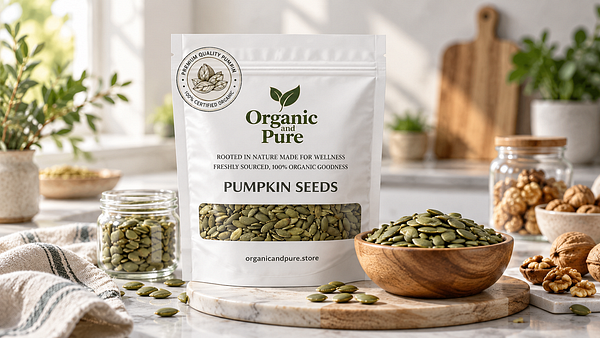
Keep a jar of raw Walnut Kernel mixed with Pumpkin Seeds on your kitchen counter. These seeds provide massive amounts of plant-based Omega-3 fatty acids, protein, and magnesium. Eating a small handful stabilizes your blood sugar instantly and actively soothes internal cellular fires, aggressively reducing the systemic inflammation associated with metabolic syndrome and restoring crisp cognitive clarity.

4. Fasting Blood Sugar Control
Waking up with high fasting blood sugar is a sign that your liver is dumping glucose into your bloodstream overnight due to high evening insulin resistance. Consuming low-GI meals at dinner prevents this.
Related Recipe: The Evening Cortisol-Crushing Ashwagandha Milk.
To protect your blood sugar from emotional stress and promote deep sleep, whisk 1/4 teaspoon of Ashwagandha into warm, unsweetened almond milk an hour before bed. Ashwagandha actively lowers serum cortisol levels, transitioning your frayed nervous system into a calm state, which directly translates to significantly better blood sugar control and lower fasting glucose the following morning.
5. Heart Health & Cholesterol Reduction
Traditional heavy meals cooked in commercial oils actively damage your heart. Soluble fiber binds to excess LDL (bad) cholesterol in the digestive tract, actively sweeping it out of the body before it can enter the bloodstream.
Related Recipe: The Prebiotic Flax Seed Yogurt.
Mix 1 tablespoon of finely ground Flax Seed (Alsi) into a bowl of plain, unsweetened yogurt. The live probiotics combined with the heavy prebiotic mucilage of the flax seeds rapidly heal the intestinal lining, feed beneficial bacteria, and ensure effortless daily digestion while actively lowering systemic cholesterol.
Related Products
Build a kitchen environment where stable blood sugar, effortless weight management, and absolute metabolic health are the automatic default by aggressively equipping your pantry with these premium, chemical-free staples directly from our store:
- Multigrain Flour
- Sattu Powder
- Barley Porridge
- Chia Seeds
- Flax Seed (Alsi)
- Walnut Kernel
- Black Seed / Kalonji
- Ashwagandha
- Pumpkin Seeds
Top 5 Google Search FAQs on Glycemic Index in Pakistan
1. What is the glycemic index of Pakistani foods?
The GI of Pakistani foods varies wildly. Traditional staples like commercial white naan, white rice (chawal), and potatoes (aloo) have a very High GI (70+). However, culturally authentic ingredients like lentils (daal), chickpeas (chana), spinach (saag), and ancient grains like barley (jau) have a Low GI (55 or under). The goal is to anchor your meals with the low GI ingredients to blunt the impact of the meal.
2. Which Pakistani foods have a low GI?
The best low GI foods Pakistan residents can consume include all pulses and legumes (like masoor dal and lobia), non-starchy vegetables (like bhindi and karela), and complex, unrefined grains. Transitioning from white flour to Multigrain Flour and swapping white rice for Premium White Quinoa are the two most powerful ways to dramatically increase your intake of low GI foods.
3. How can I lower the GI of my roti?
You can actively lower the GI of any daily bread by kneading functional, fiber-dense ingredients directly into your dough. Adding finely ground Flax Seed (Alsi), Chia Seeds, or a handful of Sattu Powder to your atta introduces massive amounts of mucilaginous, soluble fiber and essential healthy fats. This slows down gastric emptying, drastically lowering the overall glycemic impact of the roti.

4. Is white rice high in glycemic index?
Yes, extremely. Commercial polished white rice is entirely stripped of its fiber and nutrient-dense bran. It acts almost identically to pure table sugar in your bloodstream, making it highly dangerous for anyone managing diabetes, prediabetes, or weight gain. It causes a violent spike in blood sugar followed by a rapid crash.
5. What is the difference between Glycemic Index and Glycemic Load?
Glycemic Index (GI) measures how quickly a carbohydrate-containing food raises blood sugar. Glycemic Load (GL) takes into account both the GI and the actual portion size (the amount of carbohydrates in a serving). For example, watermelon has a high GI, but because it is mostly water, a standard slice has a very low GL. Managing your health requires understanding both: choosing low GI foods and controlling portion sizes.
FAQS
Can I still eat fruit on a low GI diet?
- Yes, but you must choose wisely. Fruits like apples, guavas (amrood), and berries have a low to medium GI because of their high fiber content (especially if eaten with the skin). Fruits like mangoes and overripe bananas have a higher GI. To prevent a spike, always pair your fruit with a high-fat, high-protein snack like a Walnut Kernel.
Are potatoes high GI?
- Yes, potatoes (aloo) have a very high GI and digest rapidly. If you are managing your blood sugar, you should limit your intake of potatoes and substitute them with lower GI vegetables, or ensure they are cooked and cooled (which increases resistant starch) and eaten alongside a massive portion of dietary fiber and protein.
Does cooking time affect the GI of food?
- Absolutely. The longer you cook a carbohydrate (like boiling pasta or rice until it is entirely mushy), the more the cellular structure breaks down, significantly increasing its GI. Cooking grains al dente (firm to the bite) preserves more of the complex structure, keeping the GI lower.
- How do fats and proteins alter the glycemic index?
- Eating carbohydrates in isolation causes rapid spikes. When you combine a carbohydrate with a robust protein (like chicken or eggs) and a healthy fat (like olive oil or seeds), you create a biological roadblock in your stomach. The fat and protein physically slow down the rate at which your stomach empties, dramatically flattening the overall glycemic curve of the meal.
Is sattu good for blood sugar?
- Yes, it is phenomenal.Sattu Powder is made from dry-roasted barley and chickpeas, both of which possess an incredibly low GI. It is exceptionally high in insoluble fiber and plant-based protein. Consuming a sattu drink provides sustained, slow-release energy without triggering the violent insulin surges associated with sugary commercial beverages.
Bullet Points for Mastering Your Glycemic Impact
- Ditch the Refined Flours Immediately: The fastest, most mathematically effective way to protect your metabolism is by permanently swapping commercial white flours and standard wheat for the complex, slow-digesting power of Organic and Pure Multigrain Flour.
- Anchor Your Carbs: Never eat carbohydrates in isolation. Always aggressively pair your meals with a massive volume of raw vegetables and robust protein to drastically slow down glucose absorption and prevent violent spikes.
- Hydrate to Blunt Spikes: Drink a large glass of fiber-infused Chia water 20 minutes before your meals. The expanding gel creates a biological barrier in your stomach, naturally enforcing portion control and slowing carbohydrate digestion.
- Supercharge Your Dough: Actively lower the Glycemic Index of your daily bread by kneading finely ground Flax Seed (Alsi) directly into the flour, adding critical fiber and Omega-3s.
- Demand Absolute Purity: Chemical preservatives and pesticides act as endocrine disruptors that directly worsen insulin resistance. Always demand unadulterated, pristine ingredients from Organic and Pure to protect your delicate metabolic ecosystem.
Conclusions
Battling wildly erratic blood sugar levels, enduring relentless afternoon energy crashes, and feeling constantly anxious about what you can and cannot eat is an incredibly exhausting way to live. When you attempt to manage your health by continuing to consume naked white flours, polished rice, and fiberless commercial carbohydrates, you trap your entire biological system in a devastating, highly inflammatory cycle of aggressive insulin surges and rapid glycemic crashes. These exhausting symptoms are profound alarms signaling that your endocrine system is violently struggling with the highly refined, chemically altered, and rapidly digesting empty calories that dominate the modern food supply.
The true mastery of sustained vitality, stable fasting glucose, and absolute metabolic resilience lies in changing the physiological architecture of the food you consume from the inside out. By consciously adopting daily habits built on targeted, complex whole foods and prioritizing a genuine GI food list, you align your lifestyle with your body’s unyielding natural requirements for cellular repair, slow-release energy, and low-glycemic nutrition. When you aggressively upgrade your pantry with the uncompromising, chemical-free purity of Organic and Pure superfoods, you empower your pancreas, your liver, and your cardiovascular network to function optimally, exactly as nature perfectly intended.
Whether you are anchoring your lunch with a deeply satisfying Multigrain and Kalonji Roti, stabilizing your morning with a powerful Barley Porridge bowl, or actively lowering your evening cortisol with Ashwagandha, you are actively building a robust internal ecosystem where flawless blood sugar control and effortless physical lightness are the automatic default state. Stop fighting your body with empty, destructive commercial calories and start feeding your biology the complex, pristine nourishment it actually requires to heal and thrive. Explore our complete collection of blood-sugar-stabilizing wellness essentials at Organic and Pure today, and finally reclaim your energy, your favorite meals, and your absolute physical confidence for good!